DOI: 10.1080/13621029808420679 Ross Abbinnett Citizenship Studies, Volume 2, Number 2, 1998, pages 197-222 Abstract Abstract Walter Benjamin once remarked of the enterprise of translation ‘that it is nowhere’: that the labour of transcribing the sense, inflection and difference of any particular language and text must always situate the translator in a space which is neither ‘of the original, nor ‘of the language into which it is to be transcribed.
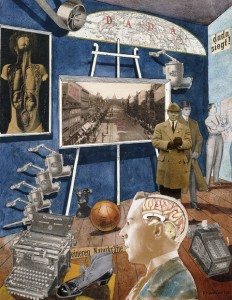
Detail from "Dada Conquers," by Raoul Hausmann.Credit Raoul Hausmann/Bridgeman Images, via Artists Rights Society (ARS), New York, via ADAGP, Paris, 2015 By COSTICA BRADATAN JUNE 30, 2015 6:50 AM The New York Times, Opinionator, The Stone In 1916, Hugo Ball, the German writer who would soon become a founding member of the Dadaist movement, wrote the following account of his first meeting with the men who would be his artistic and philosophical compatriots: “An Oriental-looking deputation of four little men arrived, with portfolios and pictures under their arms: repeatedly they bowed politely.
Tower of Babel, by Lucas van Valckenborch, 1595 Translation is not the art of failure but the art of the possible.
Benjamin Paloff April 7, 2015 The Nation The task of the translator, to borrow the title of what is probably the twentieth century’s single most influential commentary about the goal of translation, is to create a text that improves upon the original. In all fairness to Walter Benjamin, this is not what he says in “The Task of the Translator.
The neo-noir revolution in the Arab world might be seen as nostalgic, but it allows writers to act as ombudsmen in the current political climate Jonathan Guyer Friday 3 October 2014 From Baghdad to Cairo, a neo-noir revolution has been creeping across the Middle East. The revival of crime fiction since the upheavals started in 2011 should not come as a surprise. Noir offers an alternative form of justice: the novelist is the ombudsman; the bad guys are taken to court.